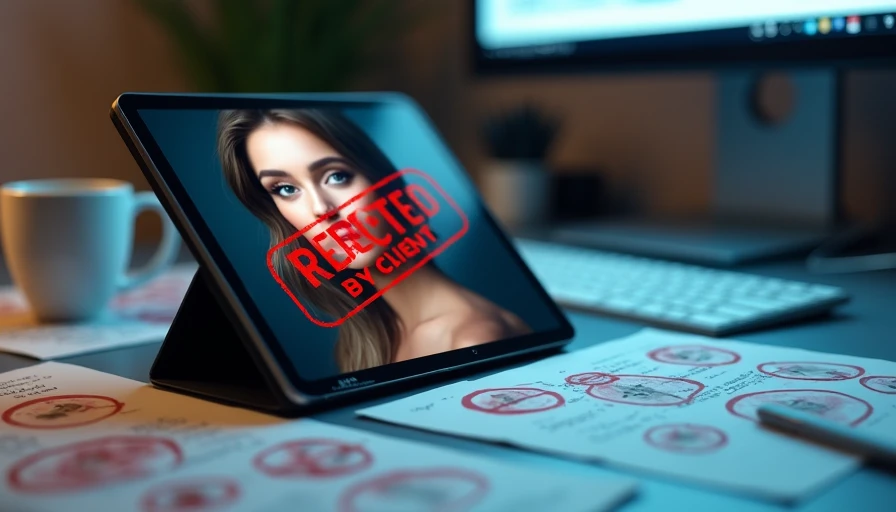
I started this site for one simple reason. Pretty AI images die the second a real client brief shows up.
That is not a theory. It is the result of six years of freelance visual work and three years of systematically putting Midjourney, Flux, Stable Diffusion, and ChatGPT Image through actual commercial jobs. The demo looked great. The deliverable did not. I have the failed generations, the revision rounds, and the late-night Slack messages to prove it.
If you are a freelancer, a DTC marketer, an advertising creative, or anyone who has to ship images that survive client review, you already know the gap. The internet is full of “look what I generated” posts. Almost none of them explain the brief, the constraints, the rejected attempts, or the moment the workflow collapsed under a deadline. This blog exists to close that gap.
Test it before you trust it. That is the entire editorial standard.
The Moment I Realized Most AI Image Advice Was Useless
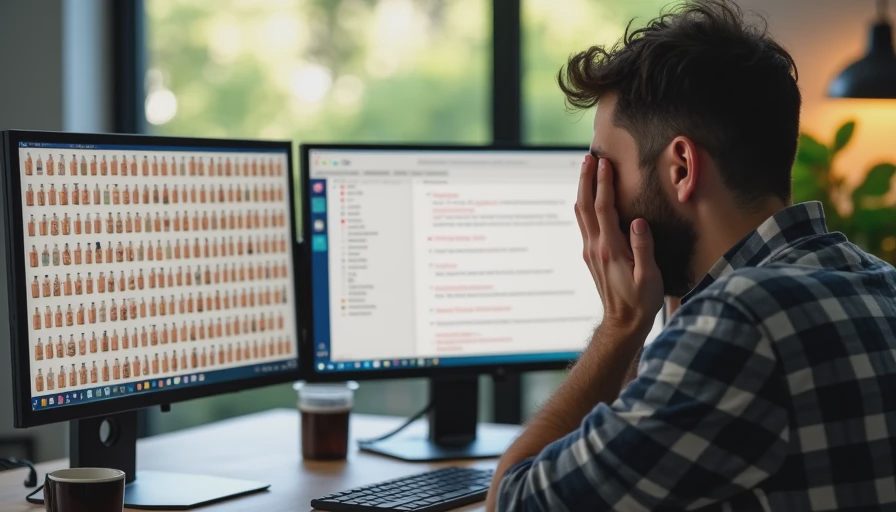
In early 2023 I took on a skincare brand that needed lifestyle product shots for paid social. The brief was clear enough on paper: clean, premium, natural light, empty space for text, consistent bottle orientation, and a mood that felt elevated without looking sterile. I had been playing with Midjourney for a few months. The outputs looked sharp. I felt confident.
I generated forty images in the first afternoon. About six of them looked good enough to show the client. Two survived the first review. Zero survived the second. The bottle kept changing proportions. The lighting shifted between frames. Negative space disappeared the moment I tried to make the scene feel more “premium.” One generation that looked perfect on my screen fell apart the second the art director placed a headline over it.
I did what most people do. I added more words to the prompt. I added more style references. I switched models. I burned another three hours and still did not have a usable set. The problem was not the model. The problem was that I had never forced the tool to survive the actual constraints of the job.
That night I started a private folder called “Failed Generations.” I still keep it. The bad ones usually explain the workflow better than the polished ones.
What “Surviving the Brief” Actually Means
A commercial image has to do more than look interesting. It has to:
Match the product geometry closely enough that the client does not ask for a reshoot
Hold consistent lighting and material response across a set
Leave usable negative space when the creative team needs it
Survive cropping for different placements without losing the hero element
Feel brand-appropriate rather than generically “AI aesthetic”
Arrive fast enough that revision cycles do not eat the entire budget
Most public prompt lists ignore every one of those requirements. They optimize for a single impressive frame. Real work optimizes for a set of frames that can be delivered under deadline with the fewest possible revisions.
That is the difference between a tool demo and a production asset.
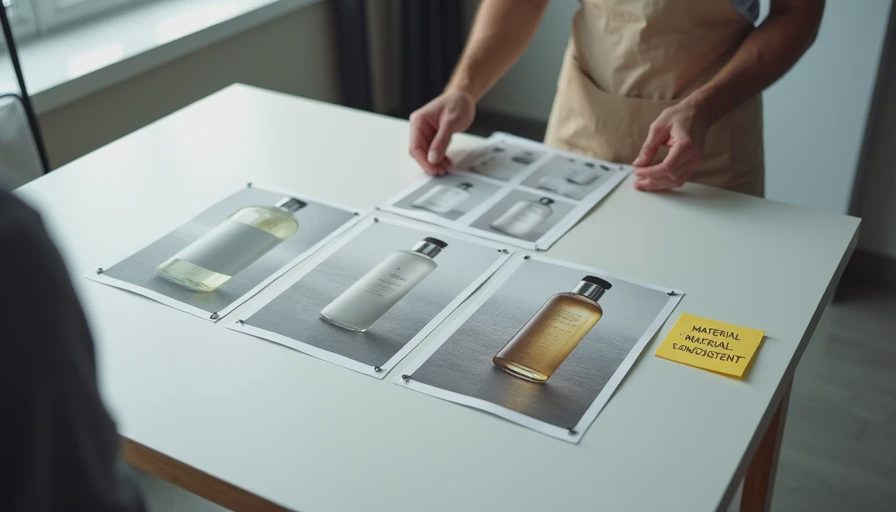
How I Test Tools Against Real Briefs
I do not review tools in isolation. I assign them jobs.
A typical test looks like this:
Define the brief in one paragraph. Product, mood, technical constraints, delivery needs.
Generate a controlled batch under fixed settings. Same seed range, same aspect ratio, same number of generations.
Score the results against the brief, not against my personal taste.
Document every failure mode that appears more than twice.
Decide whether the tool is faster, more consistent, or simply more expensive than the previous method I used.
I keep the prompts, the settings, the time stamps, and the rejection notes. If I cannot reproduce the result, I do not publish the conclusion. If the tool looked impressive but cost more revision time than a conventional shoot or stock search, I say so.
Useful is a higher bar than impressive.
The Categories You Will See Here
Everything on Prompt Receipt falls into one of four buckets because those are the four places commercial image work actually breaks.
Client Brief Lab is where I take realistic assignments and walk through the full workflow from brief to deliverable. Product scenes, ad concepts, moodboards, social kits. The goal is always the same: show what survived and what did not.
Prompt Under Pressure focuses on the language itself. How to keep the product from disappearing. How to reserve space for headlines. How to ask for controlled variations without restarting from zero. These are the prompt structures I actually reach for under deadline.
Model Bench is head-to-head testing. Midjourney versus Flux for lifestyle product shots. Stable Diffusion versus Flux for character consistency. ChatGPT Image for rapid creative direction. Every comparison is tied to a defined commercial task, not a vague “which is better” ranking.
Failure Files is the postmortem section. The thirty images I generated before realizing the brief itself was broken. The “perfect” product shot that failed client review for reasons the model could never have fixed. The afternoon I burned chasing consistency only to discover the real problem was composition language.
I publish failures because they are usually more instructive than the wins.
Why I Will Not Publish Generic Prompt Lists or Future Predictions
There are already enough recycled prompt collections on the internet. Most of them have never been stress-tested against a real delivery constraint. Publishing another list of “20 Midjourney prompts for product photography” without showing the rejection rate, the consistency failures, or the revision cost would violate the only standard this site has.
I also will not write about AGI timelines or claim that AI is about to replace commercial photography. I have no special insight into those questions, and they are irrelevant to the work I do next week. What matters is whether the current tools can reduce revision rounds on a specific type of brief without introducing new problems that cost more time than they save.
If a tool update adds features but breaks the consistency I previously relied on, I will document that. If a cheaper workflow produces images that still require three rounds of client notes, I will say the expensive path was actually cheaper. Honesty about tradeoffs is the only credibility I have.
Who This Is For
If you are looking for inspiration galleries or speculative essays about the future of creativity, this is not the site. If you need tested workflows that have already been through client friction, keep reading.
The primary reader here is someone who has to deliver. Freelance designers who bill by the project. E-commerce marketers who need consistent product lifestyle shots for paid social. Agency creatives who have to turn a vague moodboard into three usable concepts by Friday. Independent creators who cannot afford to spend an afternoon generating images that look good in Discord but fall apart under art direction.
You already know the tools can produce beautiful frames. What you need is evidence that those frames can survive the brief.
How I Will Write These Posts
Every article will open with the conclusion or the failure. I will show the exact test conditions, the prompts that mattered, the settings that changed the outcome, and the moment the workflow either held or collapsed. I will use specific numbers when I have them: generation counts, time spent, revision rounds, approximate cost.
I will keep personal details in the background. You do not need to know about my pour-over routine or the routes I ride south of Austin unless they somehow illuminate a workflow decision. Biscuit, my rescue dog, will not be appearing in product shots. The focus stays on the work.
When I make a mistake, I will say so. The model is rarely the only thing that went wrong.
What Comes Next
The first twenty posts are already planned around the four categories. You will see side-by-side model tests on real e-commerce scenes, prompt structures built specifically for negative space and material control, failure postmortems from jobs that went sideways, and full brief-to-deliverable walkthroughs for product and campaign work.
None of it will be untested. None of it will be recycled. And none of it will claim a universal winner.
I ran the tests so you can skip the expensive part.
If an AI image cannot survive the brief, it is not ready for commercial use. That is the only standard that matters here.
Test it before you trust it.
Brands and cases are illustrative. For AI tool features, rules and availability, refer to their official sites.
Leave your thoughts here, too.