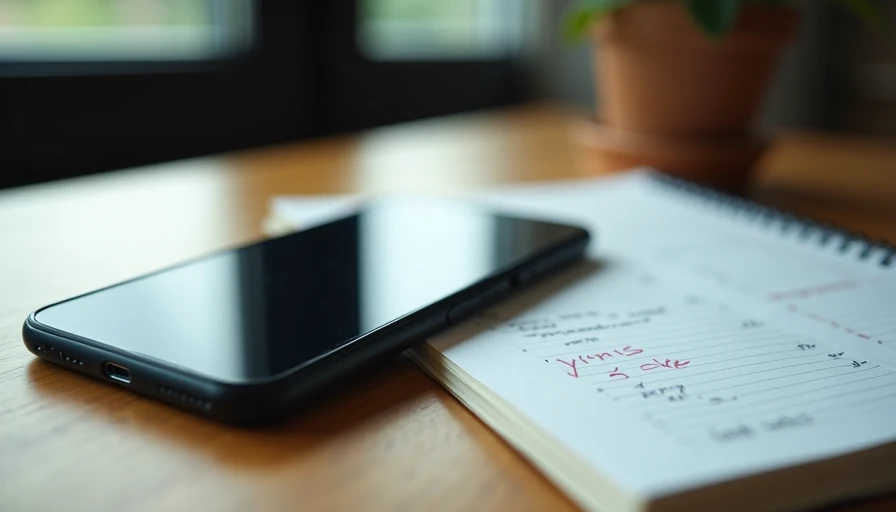
Clients send bad reference images all the time. A low-resolution phone photo of the product on a cluttered desk. A screenshot from a competitor’s site with watermarks. A moodboard pulled from Pinterest that contains five different lighting styles and three conflicting color stories. The brief still says “make it feel like this.”
The job is not to reproduce the bad reference. The job is to extract the useful direction from it and build something that can actually survive production. I have a repeatable workflow for this. It keeps me from either ignoring the reference entirely or getting trapped trying to fix an image that was never usable.
What “Bad Reference” Usually Means
Most flawed references fall into one of four categories:
Poor technical quality (low resolution, bad lighting, heavy compression)
Conflicting signals (multiple styles, competing color temperatures, mixed levels of production value)
Wrong product context (competitor packaging, outdated version of the product, incorrect proportions)
Emotional clarity but practical uselessness (strong mood, zero information about how to light or crop for real channels)
The worst references combine several of these. The workflow has to separate what the client is responding to emotionally from what is technically usable.
Step 1: Separate the Signal From the Noise
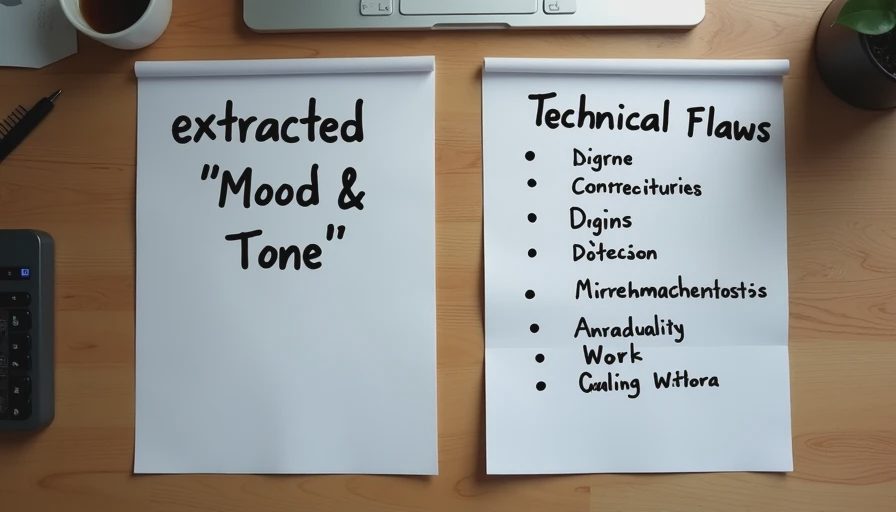
I open the reference and write two short lists before I touch any prompt.
List A – What the client is probably responding to
Mood, color temperature, level of minimalism, camera distance, how much of the frame the product occupies, any secondary objects that feel intentional.
List B – What cannot be used
Resolution limits, incorrect product details, conflicting light sources, watermarks, heavy filters, elements that would break brand or channel requirements.
This takes five minutes and prevents me from accidentally optimizing for the wrong things. If the client loved the soft window light and the quiet negative space, those go on List A. If the product in the reference is the wrong color or the image is too dark for paid social, those stay on List B and do not enter the prompt.
Step 2: Rebuild the Product First
Bad references almost always distort the product. I never start by trying to match the scene. I start by locking an accurate product description from the client’s actual packshot or the best available product photo.
I write a clean product block: form, material, finish, critical proportions, label or logo placement if visible. I generate a small neutral set under simple light and select the frames where the product is most correct. These become the new source of truth. The original reference is no longer allowed to influence product geometry or material.
This step is non-negotiable. If the product is wrong, every later frame that inherits the error becomes harder to defend in review.
Step 3: Translate the Useful Emotional Signals Into Technical Constraints
I take List A and convert each emotional observation into a concrete instruction.
“Soft and airy” becomes soft window light from a specific direction with gentle falloff.
“Minimal and quiet” becomes a simple surface, limited secondary objects, and an explicit empty-space zone.
“Slightly elevated but still approachable” becomes camera height, crop tightness, and color temperature range.
I do not copy the reference’s exact composition or lighting. I extract the underlying decisions that made the client respond and state them as rules the model can follow. The goal is a new direction that feels related to the reference without being limited by its flaws.
Step 4: Write the First Prompt From the Foundation Structure Only
The first generation pass uses only the locked product block, the translated scene and light instructions, the composition constraints, and short exclusions. No style language from the reference. No attempt to “match the moodboard.”
I generate a small batch and score it against three questions:
Is the product accurate against the new source of truth?
Does the frame capture the useful emotional signals from List A?
Is the image free of the technical problems from List B?
If the answer to any question is no, I adjust the corresponding block and regenerate. I do not add atmospheric language until the structure is holding.
Step 5: Introduce Controlled Variation Once the Direction Is Stable
When the first clean frames satisfy the three questions, I build controlled variations that explore the direction without breaking it. One change at a time: slightly warmer light, different simple surface, tighter or wider crop, adjusted negative-space placement. Each variation still uses the identical product block.
This stage produces the options I actually show the client. I present them as a small set of possible directions that respond to what they liked in the original reference while fixing the problems that made it unusable. I include a short note explaining what I kept and what I deliberately left behind.
Clients respond better to this than to either a literal recreation attempt or a complete rejection of their reference. They can see the connection and the improvement at the same time.
A Real Example
A client once sent a dark, heavily filtered phone photo of their bottle on a wooden table with mixed window and indoor light, a cluttered background, and strong orange color cast. They said, “We like the warm, lived-in feeling.”
List A: warm color temperature, lived-in but not messy, product relatively large in frame, soft rather than hard light.
List B: mixed light sources, clutter, heavy filter, incorrect shadow direction, low resolution, product slightly distorted by the phone lens.
I locked the product from their clean packshot. Translated the useful signals into soft warm window light from one direction, a simple wood surface with minimal texture, product in the left two-thirds, clear right-side space. Generated from the foundation structure. The first usable frames kept the warm, approachable feeling and eliminated every technical problem in the original. The client approved the new direction in one round and we expanded it into the final set.
The original reference had been useful as an emotional clue and useless as a technical source. The workflow treated it accordingly.
What I Avoid
I do not try to “fix” the bad reference inside the model by heavy prompting. That almost always produces a hybrid that inherits the original flaws.
I do not ignore the reference completely. Clients usually have a real reason they responded to it.
I do not let the reference dictate product details when better product information exists.
I do not present the first exploratory frames as final options. Structure first, then variation.
Time and Practical Notes
Most bad-reference jobs take between sixty and ninety minutes from the two lists to a small set of presentable directions. The majority of that time is in the separation and product-lock steps. Once those are done, generation is relatively fast because the prompt is no longer fighting conflicting signals.
The same foundation structure I use for other commercial work applies here. The only addition is the deliberate translation step that turns a flawed reference into usable constraints.

The Outcome That Matters
A bad reference is not a problem to be reproduced or discarded. It is a signal to be decoded. When the emotional content is extracted and the technical content is replaced with accurate product and clear constraints, the new direction is usually stronger than the original reference and far more practical to produce.
I start with two lists. I lock the product from the best available source. I translate only the useful signals into concrete instructions. I build from the foundation structure and only then explore variation. That is how a client’s flawed reference becomes a usable creative direction instead of a source of expensive confusion.
Test the translation before you trust the reference. The original image can feel right. The new direction has to work.
Brands and cases are illustrative. For AI tool features, rules and availability, refer to their official sites.



Leave your thoughts here, too.